There is no denying the beauty of historic architecture.
You can learn a lot about history by looking around an older house. Charming features like phone niches, built-in ironing boards, and milk delivery doors reveal a great deal about the people and technology of bygone days.
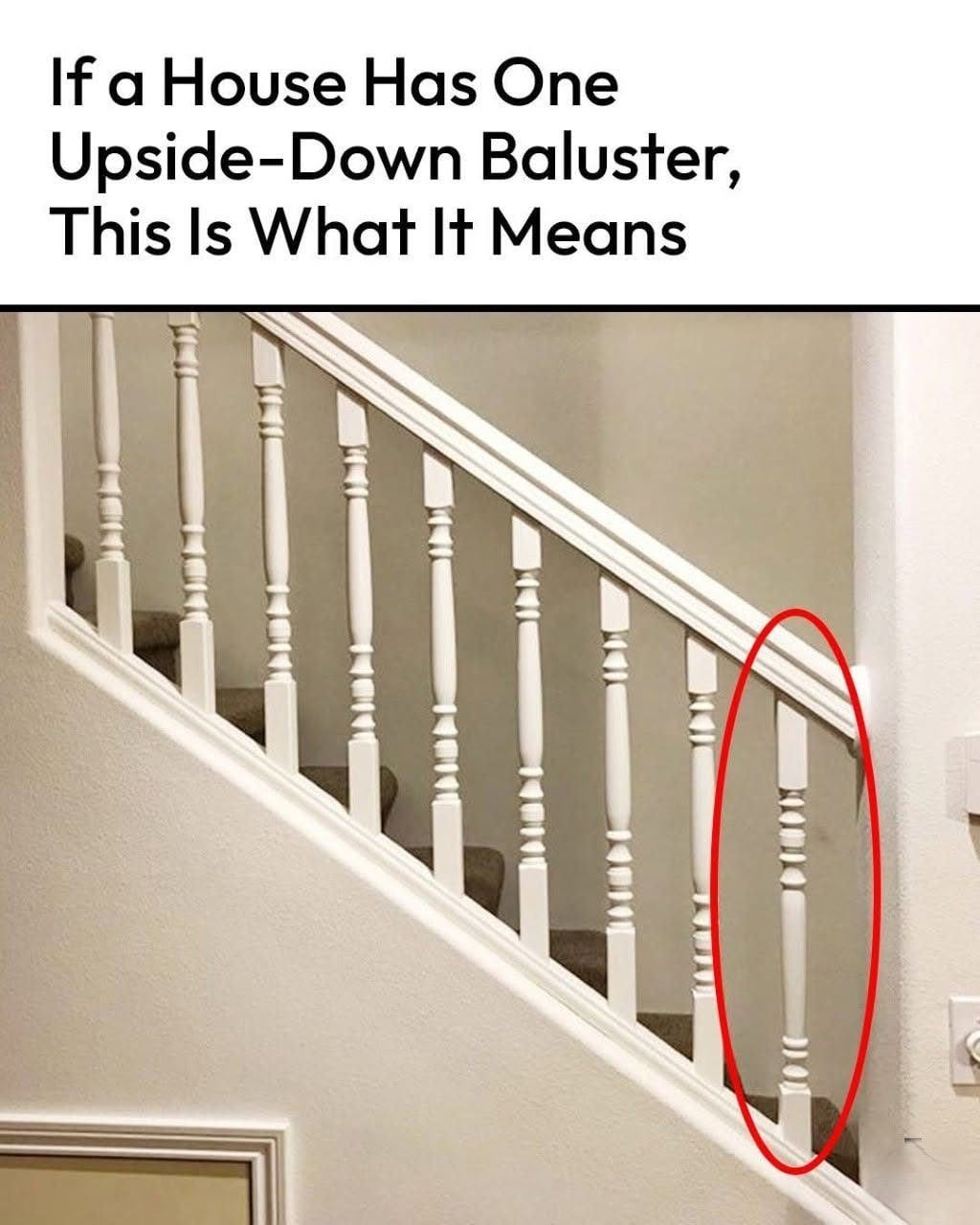
If you have ever inspected an older staircase, you may have noticed details like brass corner protectors or metal stair rods. At first glance, these features might seem purely decorative. But each one tells a story—and many served practical purposes that are still relevant today.
Read on to take a closer look at these unique staircase features, discover their purpose, and find staircase ideas for your next DIY project.
1. Dust Corners (Stair Corner Guards)
Before vacuum cleaners were invented, sweeping dust out of stair corners was a major headache. Brooms simply could not reach the tight angles where the staircase met the wall, leaving dust and debris to accumulate in unsightly piles.
Stair corner dust guards—also known as dust corners—were created in the 1890s to solve this problem. These small metal or ceramic guards were installed at the base of each stair riser, creating a smooth, curved surface that allowed dust to be swept away easily.
Purpose and Charm
| Function | Why It Mattered |
|---|---|
| Practical | Eliminated dust-trapping corners; made sweeping easier |
| Protective | Prevented dirt from embedding in wood corners |
| Decorative | Added charm and elegance to wooden staircases |
Today, dust corners are less about necessity and more about preserving historic character. But they also offer a practical solution for awkward corners elsewhere in the home—such as between a wall and fireplace molding, or in tight hallway intersections.
Read more on the next page >>